Premium Brush Positioning: Describe the Difference You Can Show
Give a cosmetic brush range a clear identity through verifiable details rather than broad premium language.
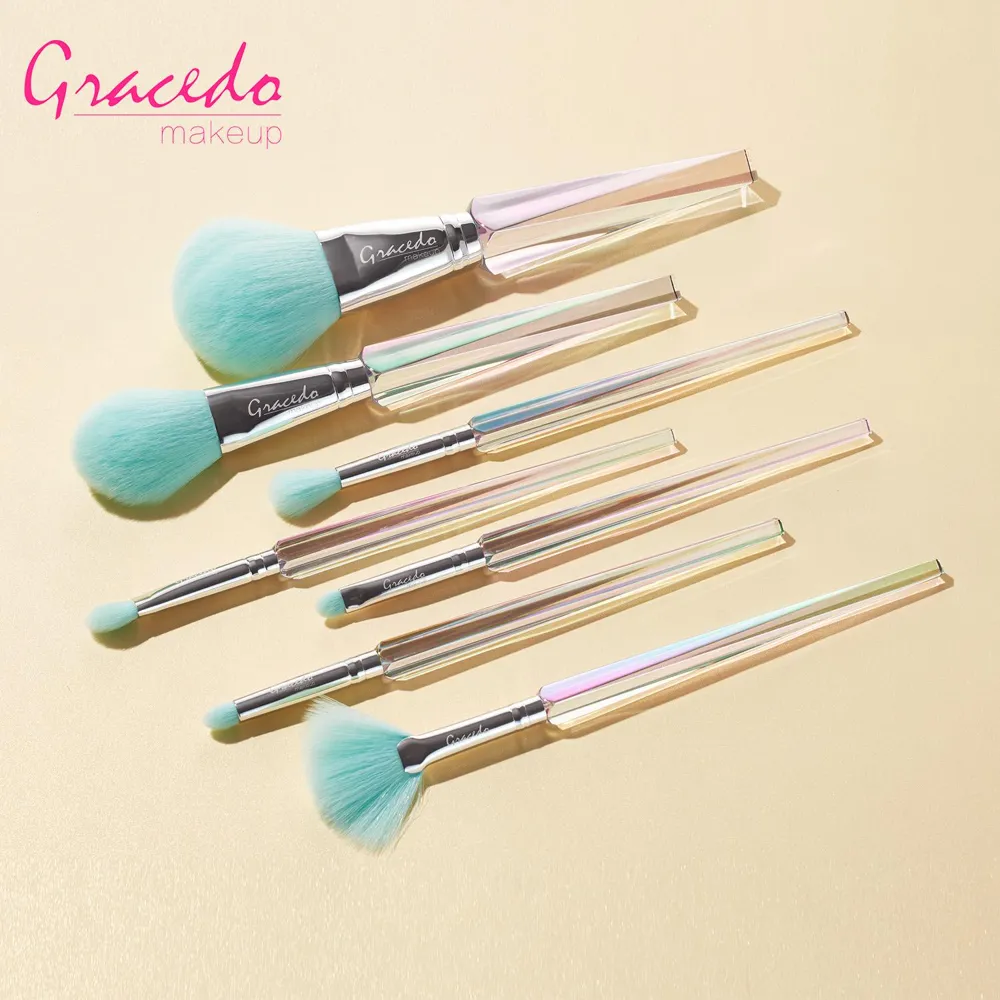
Choose a concrete point of difference
The word premium does not explain a brush to a customer or a supplier. Identify the feature your range wants to emphasize, such as a distinctive head profile, a compact storage format or a coordinated application system. Ask what product information supports that difference. Keeping the concept concrete makes sample selection easier and reduces the temptation to fill the description with unsupported superlatives.
Review the details customers encounter
Inspect the assembled sample, handle labeling, packaging opening and care information. Ask someone outside the development team to identify the brush’s intended role from those materials. Record any confusing elements before artwork approval. A carefully considered presentation should explain the item, while claims about performance, materials or special properties still require information relevant to the actual product.
Make the positioning repeatable
Keep the approved sample and the key specifications behind the chosen feature together. Decide which proposed changes would affect the public description. A different head or storage insert may alter the product story even when the color stays the same. Review each revision deliberately so the range’s identity remains connected to the product delivered rather than a launch image alone.
Buyer checklist
- Define one specific product difference.
- Review the complete customer presentation.
- Link positioning to the approved specification.
Keep reading
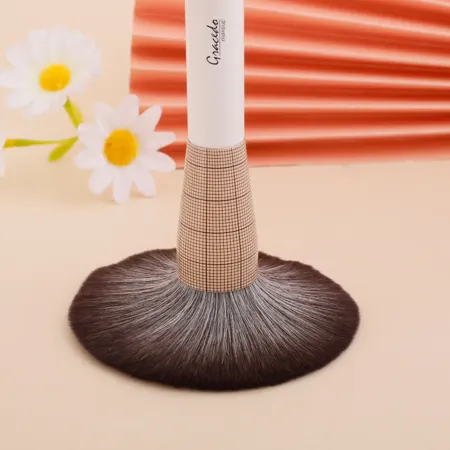
Foundation Brush Ranges: Connect the Tool to the Customer Routine
Choose foundation brush variants through application roles, understandable instructions and carefully controlled changes.
Read the story
Brush Sourcing at Trade Fairs: Separate Inspiration from Commitments
A practical method for comparing exhibition samples and turning fair conversations into written product decisions.
Read the story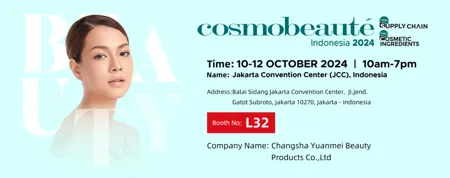
Beauty Exhibitions and Local Markets: Ask Questions Before Assuming Demand
Use regional trade-show inspiration to develop a research brief rather than repeat unsupported market predictions.
Read the story
Join the conversation
Share your thoughts below. Comments appear after review.