Wholesale Brushes for Retail: Build a Range Staff Can Explain
Choose a wholesale brush collection through clear product roles, manageable variants and useful merchandising information.
Plan the shelf conversation
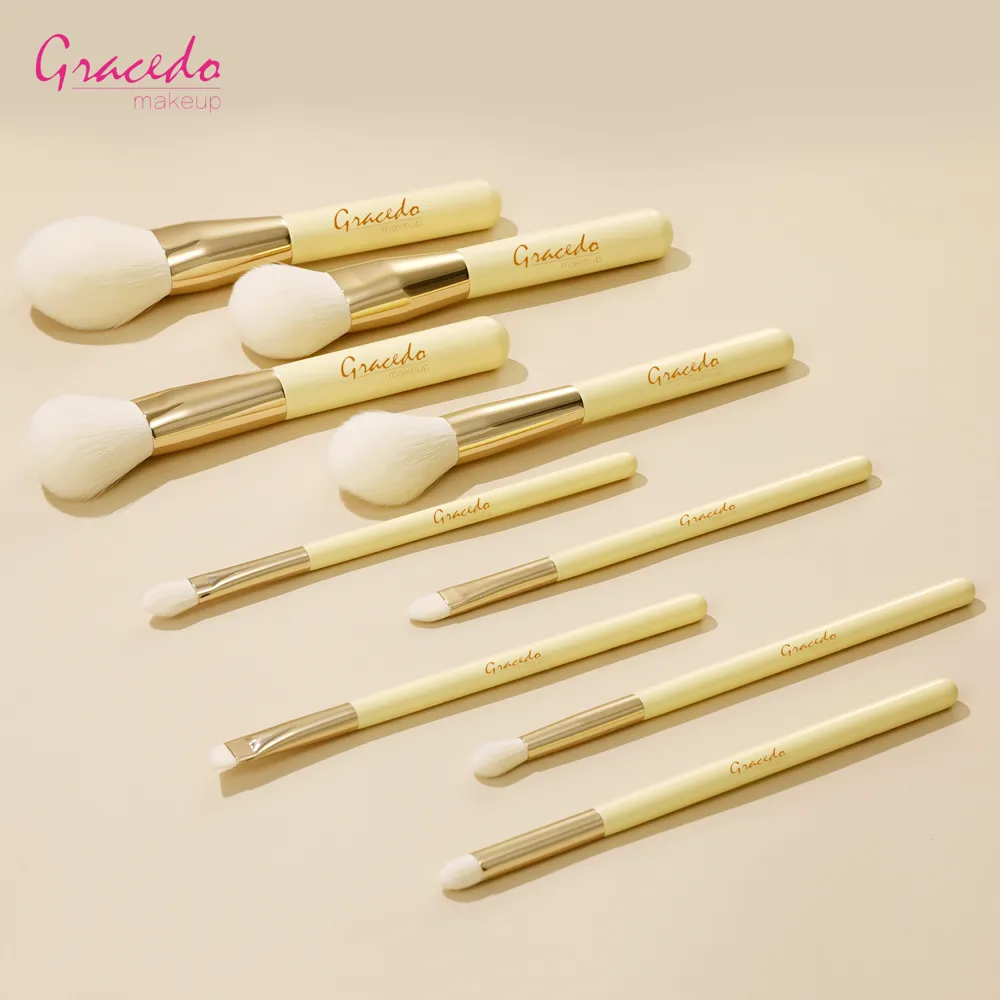
Imagine a customer asking how two brushes differ. If the answer is only the handle color, decide whether both variants deserve separate stock. Build the core range around understandable application roles and ask for model references for each candidate. This makes it easier to create product names that help customers navigate rather than merely repeat attractive catalog adjectives.
Review the information staff will use
Request written dimensions, material descriptions and care instructions for the selected items. Give a representative sample to the people preparing product listings or shop displays. Ask them to identify missing information and confusing names. A product that is straightforward for the buyer may still be difficult for someone encountering it for the first time on a crowded shelf.
Keep the range practical to replenish
Decide how singles, sets and color variants will be identified in bulk packing. Retain clear photographs and current artwork with the approved sample. When requesting a repeat quote, specify the same product version and packing assumptions. A well-organized assortment supports a more useful supplier discussion than a broad request for the latest wholesale brushes at the lowest available price.
Buyer checklist
- Give each stocked product a clear role.
- Review customer-facing information with staff.
- Identify singles, sets and variants consistently.
Keep reading
Foundation Brush Ranges: Connect the Tool to the Customer Routine
Choose foundation brush variants through application roles, understandable instructions and carefully controlled changes.
Read the story
Brush Sourcing at Trade Fairs: Separate Inspiration from Commitments
A practical method for comparing exhibition samples and turning fair conversations into written product decisions.
Read the story
Beauty Exhibitions and Local Markets: Ask Questions Before Assuming Demand
Use regional trade-show inspiration to develop a research brief rather than repeat unsupported market predictions.
Read the story
Join the conversation
Share your thoughts below. Comments appear after review.